
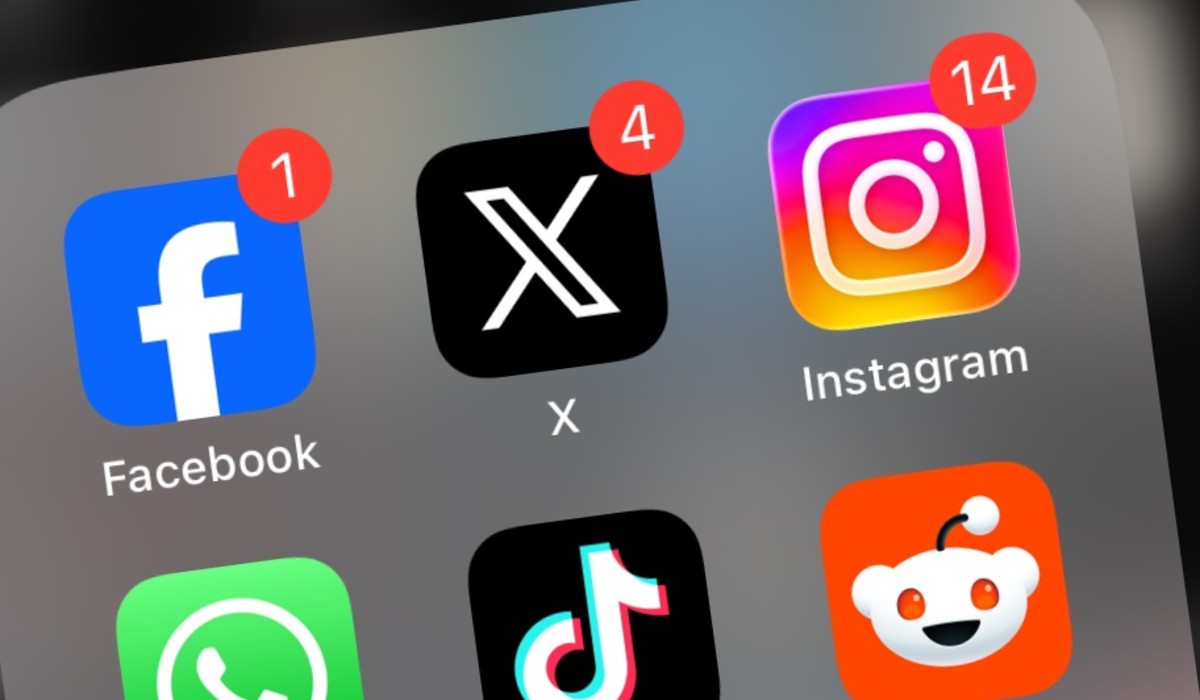
As Keir Starmer presses on with plans to ban under-16s from social media, Terina Hine looks at the implications
We are told increasing numbers of young people are suffering from mental and physical health issues. But are these issues the result of spending time on social media and will banning under-sixteens from platforms, as recently happened in Australia and is being discussed here, solve this health crisis?
Bullying, addictive algorithms, harmful and abusive content, some of which encourages suicide or sexual abuse, are serious problems. Yes, it is difficult to stop scrolling, especially when bored, made more so by the deliberately addictive nature of algorithms. Yes, bullying and abuse are serious issues which follow victims into what should be the sanctity of their home. Yes, there is plenty of harmful content.
But are our teenagers really depressed and inactive because of social media, or are they using social media because they are miserable and have nowhere to go? And could strong regulation and an effective regulator clean up the social-media platforms?
Ian Russell, whose daughter Molly killed herself just before her fifteenth birthday, after watching endless streams of images of self-harm and suicide on Instagram, is not in favour of a ban. He believes the Online Safety Act (an Act he played a part in shaping and pushing through parliament) should be given time to work before government considers an all-out ban. He fears the ‘quick fix’ of a ban will achieve little good and may be harmful.
Along with the NSPCC, Russell thinks a ban may push young people towards darker and less regulated platforms, that many children will circumvent the ban, the rest will face a ‘cliff edge’ at sixteen as they are thrown into the world of social media, plus a ban would prevent LGBTQ+ and neurodiverse children from making connections and accessing support.
The Online Safety Act requires social-media platforms to conduct robust age verification and prevent children accessing harmful content. It forces big tech to take responsibility for content and empowers government and Ofcom to fine or remove platforms which fail to comply.
Russell cites the example of Musk’s U-turn over Grok’s sexual AI tool as an example of the Act working. When Ofcom initiated a formal investigation into the tool, the government became involved, X was threatened with a UK-wide block, and the software was removed. Russell believes if X was unavailable to minors, Ofcom and the government’s response may not have been as robust.
Yet the proposed social-media ban for under-sixteens is popular among parents and the general public. According to a Mumsnet survey, 80% of their users support a ban, but just because something is popular that doesn’t make it good policy.
As a parent myself I know how hard it is to impose restrictions on teenagers, especially when ‘all my friends are allowed’. No parent wants to isolate their children socially. The argument is that a government-imposed ban would help reduce arguments between parents and teenagers, and provide a seemingly easy solution. But would it?
Let’s face it, arguments with teens over social-media use would soon be replaced with other arguments, and all their friends would still be permitted to do whatever it is you prohibit.
People like easy answers to difficult problems and to have someone or something to blame for society’s ills. Remember how Facebook supposedly lost Clinton the election and won Trump his first victory, rather than Clinton’s neoliberal policies, her association with political elites, her warmongering or ‘deplorable’ comments about voters.
Remember too how Remainers blamed Facebook for Brexit, rather than years of austerity, a wish for change or desire to give Westminster a bloody nose.
Well, now, social media is responsible for the poor state of our children’s mental and physical health, regardless that, according to the New Scientist, ‘the best available scientific evidence’ shows that ‘the impact of social media on teenagers’ mental health is minimal.’
So let’s have a ban for the under-sixteens, not worry about regulation for the rest of us and forget about the real causes of poor health in our children: the lack of investment in children’s mental-health services, the sale of school playing fields, the lack of music in schools, the absence of funding for youth clubs and the obscene and growing rates of child poverty.
From this month’s Counterfire freesheet
Before you go
The ongoing genocide in Gaza, Starmer’s austerity and the danger of a resurgent far right demonstrate the urgent need for socialist organisation and ideas. Counterfire has been central to the Palestine revolt and we are committed to building mass, united movements of resistance. Become a member today and join the fightback.
