
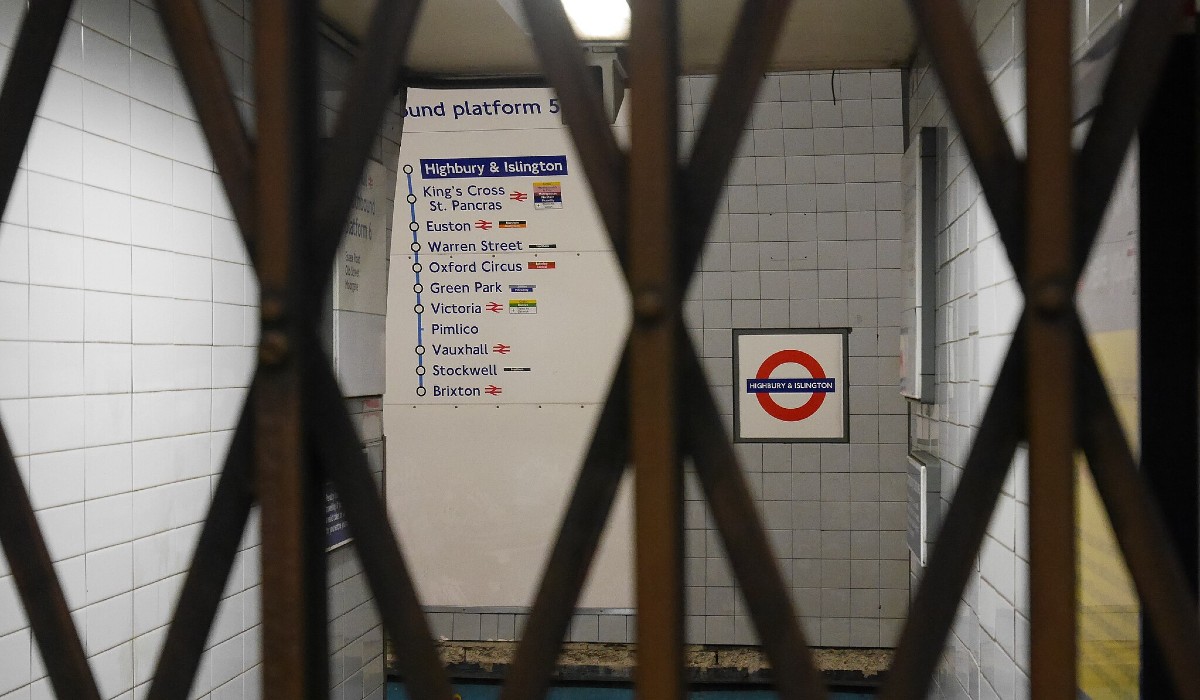
 A closed Victoria line / Wikimedia Commons / CC BY-SA 3.0
Cici Washburn explains what is behind the London underground workers’ strike
This week London Underground workers from across the combine, drivers, station staff, engineers, and line controllers shut down the tube network. The exceptionally solid strike saw buses delayed and stuck in heavy traffic across the city and the Elizabeth Line (which is subject to a different collective bargaining agreement) was heaving.
The RMT members are in dispute over pay and also fighting for a 32 hour week. As general secretary Eddie Dempsey said, the shifts tube workers do shed at least 10 years off their lives, mean they don’t get weekends off, and a 32 hour week would help with fatigue.
We spoke to Mel Mullings, train operator at Elephant and Castle depot and Bakerloo line branch secretary, who said ‘This isn’t just about pay, it’s about the future of the railway. We’re fighting against a relentless push for job cuts that would compromise safety and service quality.’
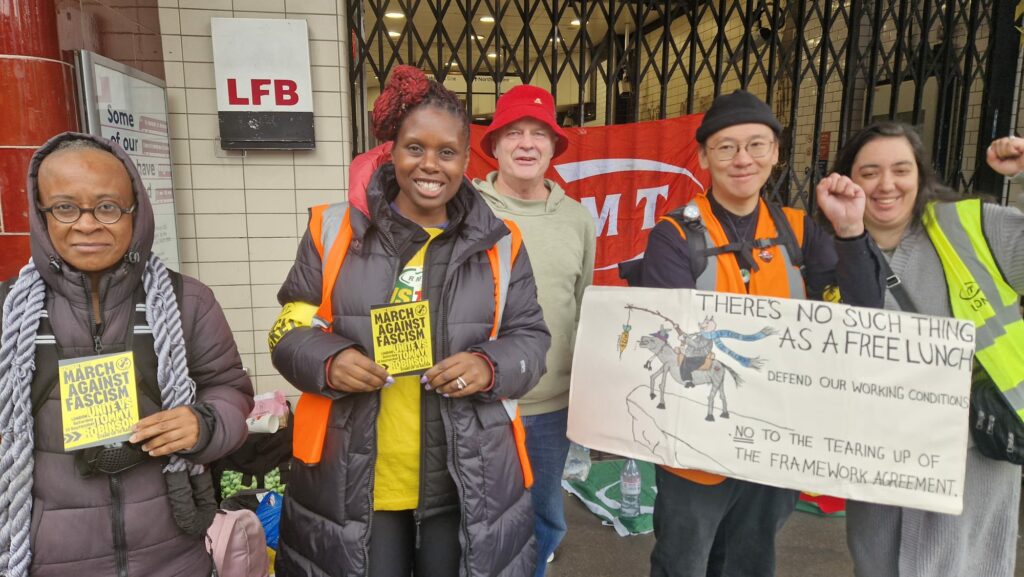
Passenger numbers are up to pre pandemic levels and the workforce has decreased by 2000 meaning extra pressure on the workers and their shift patterns. Mel added ‘The 4-day week is scientifically known to improve workplace productivity and morale. For us doing deep tunnel safety critical work for decades the time away will help slightly to combat those long-term adverse health effects and fatigue. We’re also standing firm against attacks on our working conditions, which are vital for ensuring a reliable and safe service for the public.’ Workers on the pickets said they had solidarity and support from the public. ‘The support from our passengers on the picket lines has been a powerful reminder that they understand we’re fighting for a rail network that works for everyone, not just for the profits of a few.’
Numerous picket lines were held throughout the days across London, Counterfire members attended in solidarity.
From Leytonstone Carole Vincent says:
‘At 4:30am a picket of members of the RMT with their Industrial rep for Leytonstone tube station, train side (pictured), wanted to thank all comrades for a strong strike this week and the public too. He said they don’t take industrial action lightly and are fighting for a shorter working week without conditions and a pay rise. The strikes are coordinated & include different Industrial branches and lines.
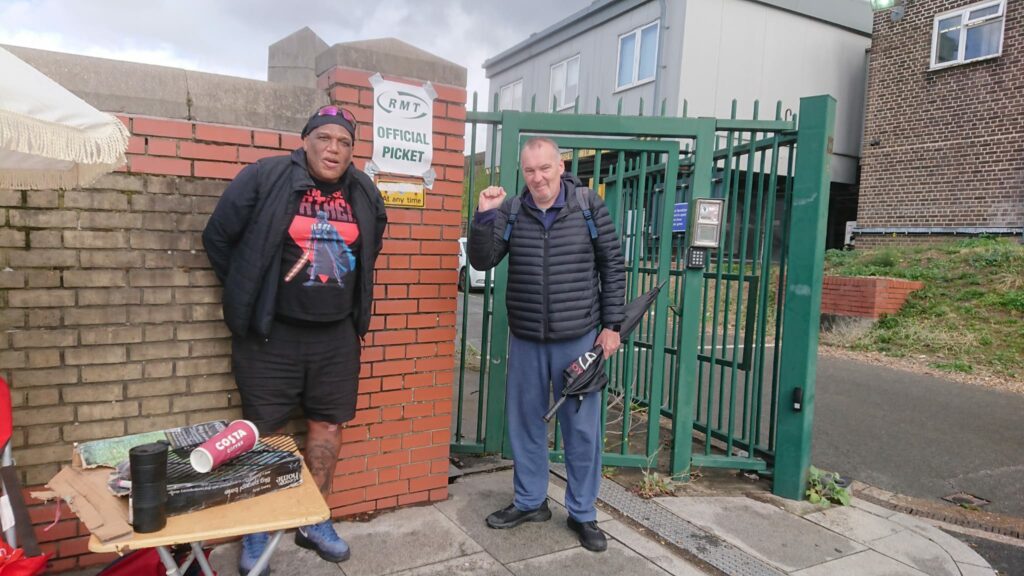
‘As the Trade Union Liaison Officer for East London Unite Community, I joined the picket to show rank and file solidarity in a time when all workers are struggling with increased cost of living while the government announces further increases to energy costs as the autumn approaches.’
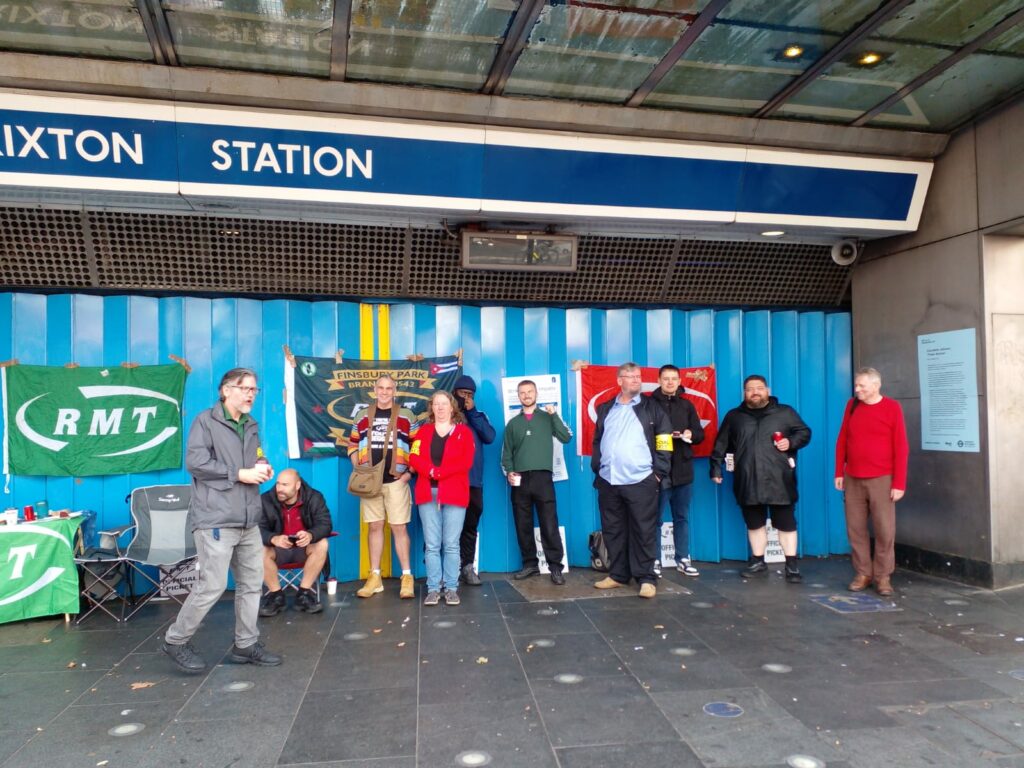
From Brixton Stephen Carlill reports:
‘There were nine RMT members on the picket line outside Brixton tube station when I visited. All were in good spirits. The reaction from the public had been very good with one or two exceptions. They were very grateful to Counterfire for getting a member to stop by and express support.’
From Neasden Pete Webster said:
‘A small but perfectly formed picket line outside the Neasden depot ensured a solid strike. Pickets formed up in the early morning and three daily shifts were arranged for the strike days.
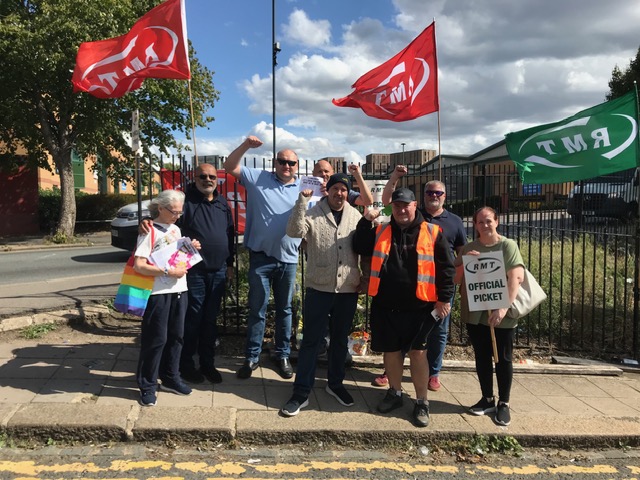
Darren, an RMT rep, explained that the union was determined to win and that they had a strike mandate for the next few months. If this week’s action doesn’t force the tube management to back down then further strikes will be called. Meanwhile, the RMT is open to meaningful discussion to resolve the dispute.’
Before you go
The ongoing genocide in Gaza, Starmer’s austerity and the danger of a resurgent far right demonstrate the urgent need for socialist organisation and ideas. Counterfire has been central to the Palestine revolt and we are committed to building mass, united movements of resistance. Become a member today and join the fightback.
