
This play about politics, poverty and working-class family dynamics is very much worth your time, finds Terina Hine
It’s rare for an overtly working-class play to be performed on a West End stage, even more so when the play in question is not just about working-class family dynamics but is a play that weaves race and class politics through every scene.
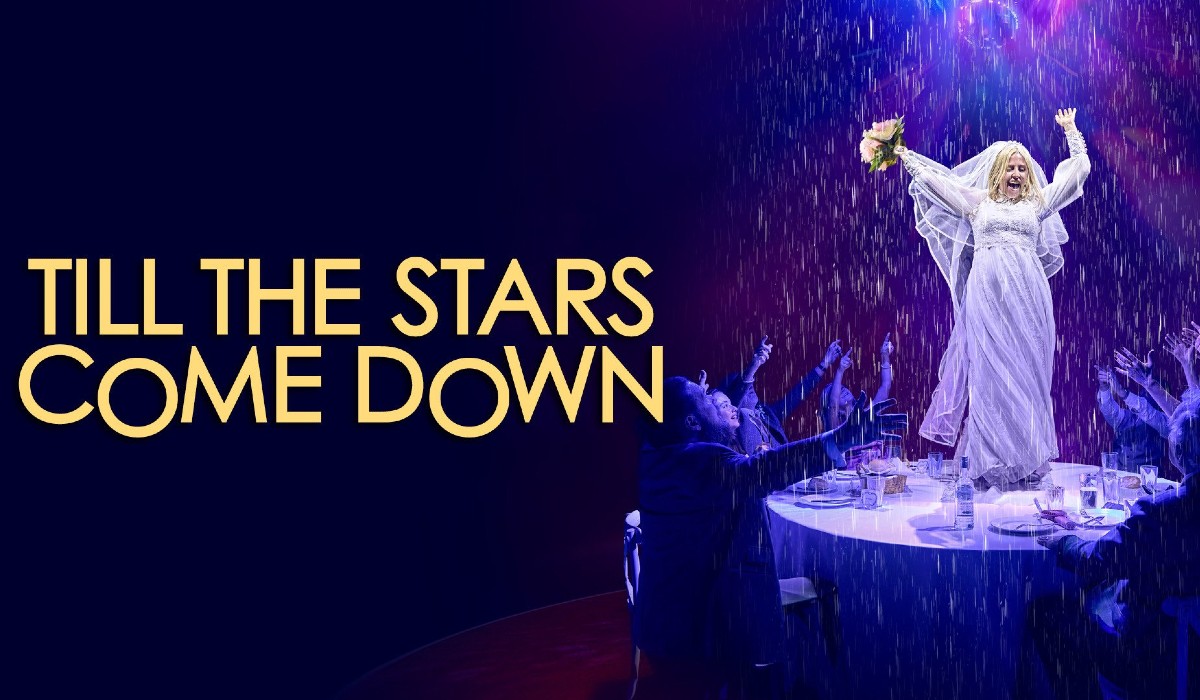
Till the Stars Come Down, Beth Steel’s Olivier-nominated play, (Theatre Royal Haymarket, transferred from The National Theatre) is a comedy, a family drama and a deeply political play set in the deindustrialised, former Nottinghamshire mining town of Mansfield. The action takes place on the day of Sylvia (Sinéad Matthews) and Marek’s (Julian Kostov) wedding, with the focus entirely on the bride’s proudly working-class family. None of Marek’s Polish family would make the trip for his special day, and although the reasons are never confirmed (is it the expense or the unwelcome reception they would receive?) the effect is that Marek is the lone foreigner on stage, very much the outsider.
The play opens with the morning’s preparations. Squeezing into dresses and getting hair and makeup done are all accompanied by the fast-paced, sometimes bawdy conversations of the family’s women. In these early scenes, the men are rarely present, but family relationships and unspoken conflicts are quickly established. The day (and play) continues through the familiar wedding rituals: disagreeable seating plans, an awkward, formal meal, to the evening’s drunken disco, where tensions, never far from the surface, come to a head.
The wedding day, like the family itself, is dominated by women: the three sisters, their aunt and, in one explosive scene, the oldest of two nieces. The men of the family no longer play the central roles they once did, instead they have become the supporting cast, often lost in thought or discussing the past. It is the relationship between the three sisters and their aunty Carol that dominate the action. Their resentments and rivalries as well as their deep affection for each other are in constant flux. From the outset, it is clear there are plenty of skeletons, it’s a heady mix stirred continuously by the indomitable force of aunty Carol, brilliantly played by Dorothy Atkinson.
Till the Stars Come Down is far more than just a tale of a working-class wedding. There is not a single scene in which the political forces that have shaped the characters and their community are not interlaced with the drama or dialogue, whether it’s pit closures, lack of jobs, lack of hope, the influx of foreign workers or just plain poverty.
Serious and sensitive issues are tackled with a light touch and often with great humour. The xenophobia, most vocally aired by Sylvia’s oldest sister, Hazel (Lucy Black) is clearly offensive, not least to Marek who despairs over frequent sleights and the lack of support from his new wife, but the play manages to be neither preachy nor condescending. Rather, it is hilarious and heartbreaking. And while this ‘wedding of the year’ is not anyone’s idea of a dream wedding, for the audience, especially those lucky enough to be in the immersive stage-side seats, it is a wedding invitation well worth accepting.
Till the Stars Come Down is playing at the Theatre Royal Haymarket until 27 September.
Before you go
The ongoing genocide in Gaza, Starmer’s austerity and the danger of a resurgent far right demonstrate the urgent need for socialist organisation and ideas. Counterfire has been central to the Palestine revolt and we are committed to building mass, united movements of resistance. Become a member today and join the fightback.
