
Terina Hine on the war-induced cost-of-living crisis hitting us all
The Iran war may be thousands of miles away, and a ceasefire is currently in place, but the impact of this US-Israeli-led conflict is being felt by families up and down the UK, and it’s only going to get worse.
The war has caused the most severe disruption to oil and gas markets in history and the damaged infrastructure, including oil refineries and gas plants, will take years to fix. The resultant surge in energy prices and the supply-chain disruption caused by the closure of the Strait of Hormuz is being felt the world over.
We have all experienced the price hikes at the petrol pump. At the local garage back in January, it cost about £1.30 per litre for petrol and £1.60 for diesel; it’s now £1.60 and £1.93 respectively. This not only impacts the daily commute, but also the delivery cost of goods and services. Whether it’s by car, plane or ship, moving stuff requires fuel.
And it’s not just transportation costs that have risen. Energy prices are projected to rise by 24% this year and commodity prices by 16%. The sharp rises in the price of plastics and fertiliser are beginning to have severe ramifications.
As much as 99% of nitrogen fertiliser is made from natural gas with large quantities of the world’s fertilisers exported from the Gulf via the Strait of Hormuz. Some of the biggest importers of Gulf fertilisers – India, Brazil and China – are, not surprisingly, among the world’s biggest food producers.
The price of urea, the world’s most popular nitrogen fertiliser, has doubled since the start of the war. Fertiliser shortages and increasing costs are leading to farmers across Asia cutting back on planting rice and other crops. The reduction in fertiliser use will reduce yield on crops planted, while the spiralling cost of available fertiliser will be passed on to consumers.
The threat to global food security is significant, and with the added transportation costs, potentially disastrous both for farmers and for those, like us, in import-dependent countries.
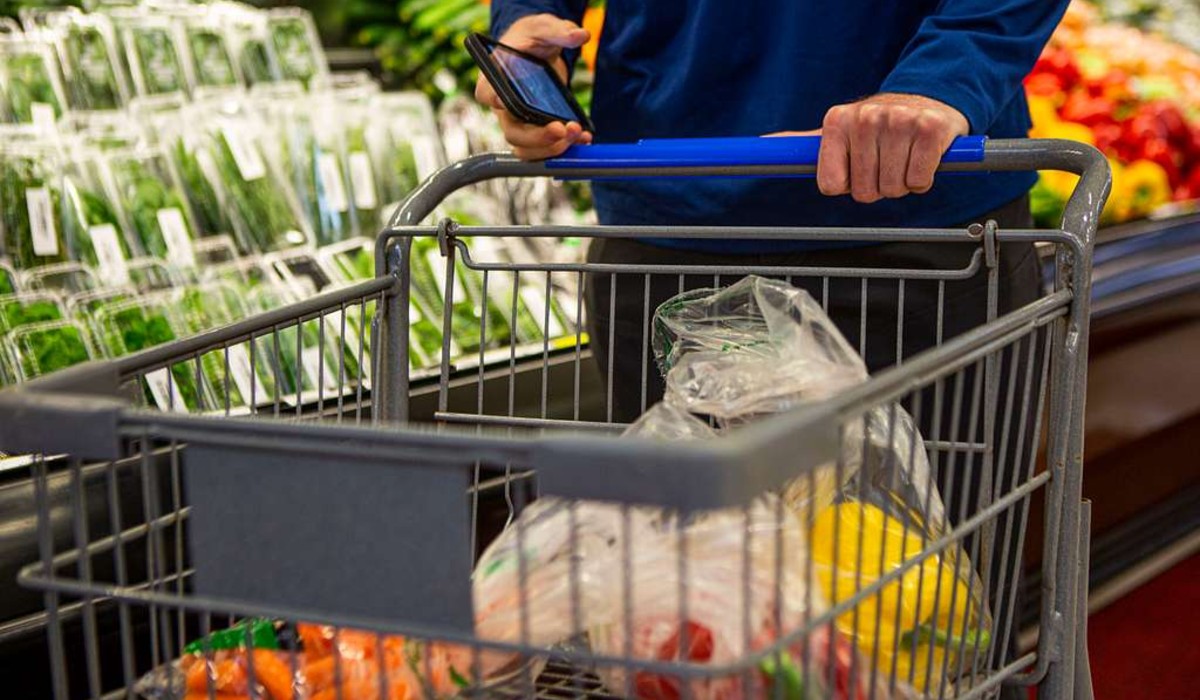
According to the latest research, UK food prices, which have been rising for the last five years, are set to be on average 50% higher than they were in 2021. This rate of rise is equal to the price rise over the preceding twenty years. That’s two decades worth of price rises compressed into a five-year period.
Since the beginning of the cost-of-living crisis in 2021, the price of beef has risen by 64%, while family staples such as pasta and frozen veg have risen by 50%. Although, of course, these price increases are not solely attributable to Trump’s war, the conflict in Iran is making a bad situation much, much worse. The Bank of England has estimated that between now and November we will suffer 7% food inflation.
The impact of such rapid price rises is devastating for those on lower incomes. People will have no choice but to skip meals and more and more children will go to school hungry.
And there’s more. Plastics are oil-based products. A cursory glance around your kitchen/bathroom/bedroom will give an idea of how much plastic we use daily. Another inflationary nightmare is being baked into food packaging and containers. Then there’s the petrochemical industry, also set to take a hit – impacting the production costs of products including toothpaste, disposable nappies, tampons and laundry detergents. Since March, the cost of petrochemicals has risen 50%-60%, and most of this has yet to filter through to our shopping baskets.
As inflation pushes up interest rates, the cost of borrowing rises, so prepare for mortgage rates to go up later in the year. Some commentators suggest the base rate will be 5.5% by early 2027, with more than 50% of UK mortgage holders seeing their repayments rise.
Add this to the surge in heating and energy costs, and having somewhere warm to sleep as well as something to eat will become increasingly difficult. For low-income groups, savings are a luxury, there is no fund for rainy days, or cold days or the days when hunger bites.
Food, fuel and a roof above one’s head are basic essentials. This war-induced cost-of-living crisis will hit us all, and those with the least, without savings and who spend a greater portion of their income on basic essentials, will be hit the hardest.
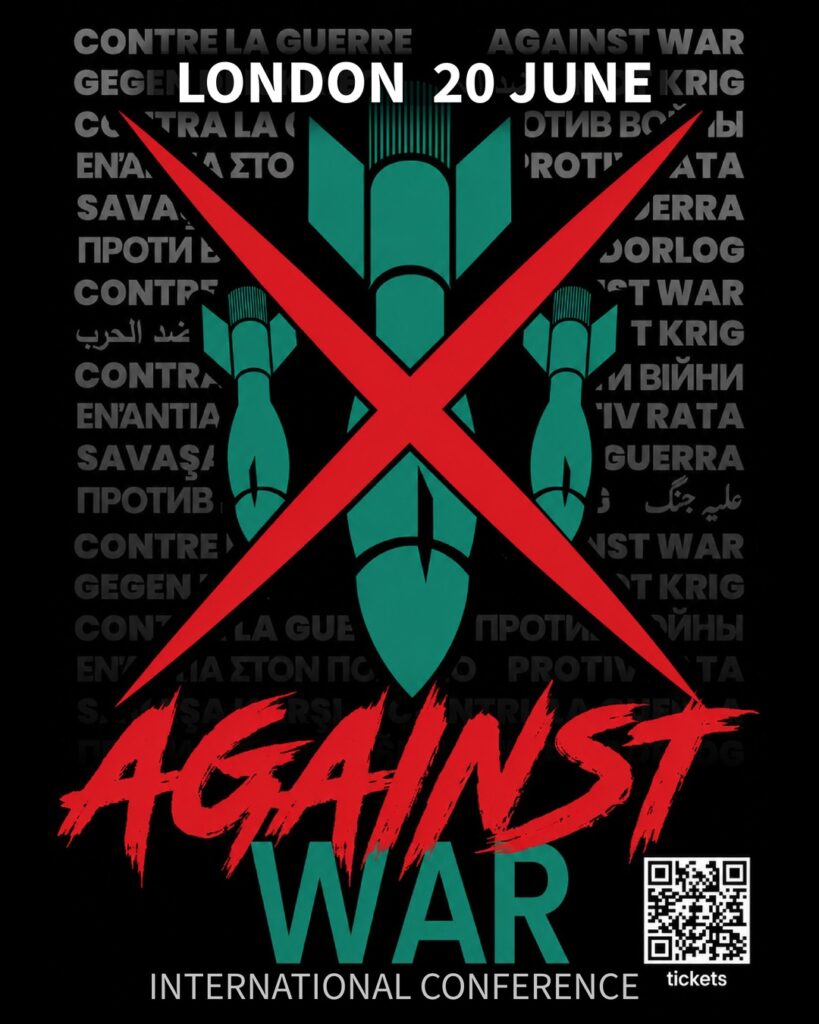
Join the International Conference Against War in London on 20 June
From this month’s Counterfire freesheet
Before you go
The ongoing genocide in Gaza, Starmer’s austerity and the danger of a resurgent far right demonstrate the urgent need for socialist organisation and ideas. Counterfire has been central to the Palestine revolt and we are committed to building mass, united movements of resistance. Become a member today and join the fightback.
