
Eilidh Stewart considers the latest Hollywood offering to female empowerment that is dividing audiences
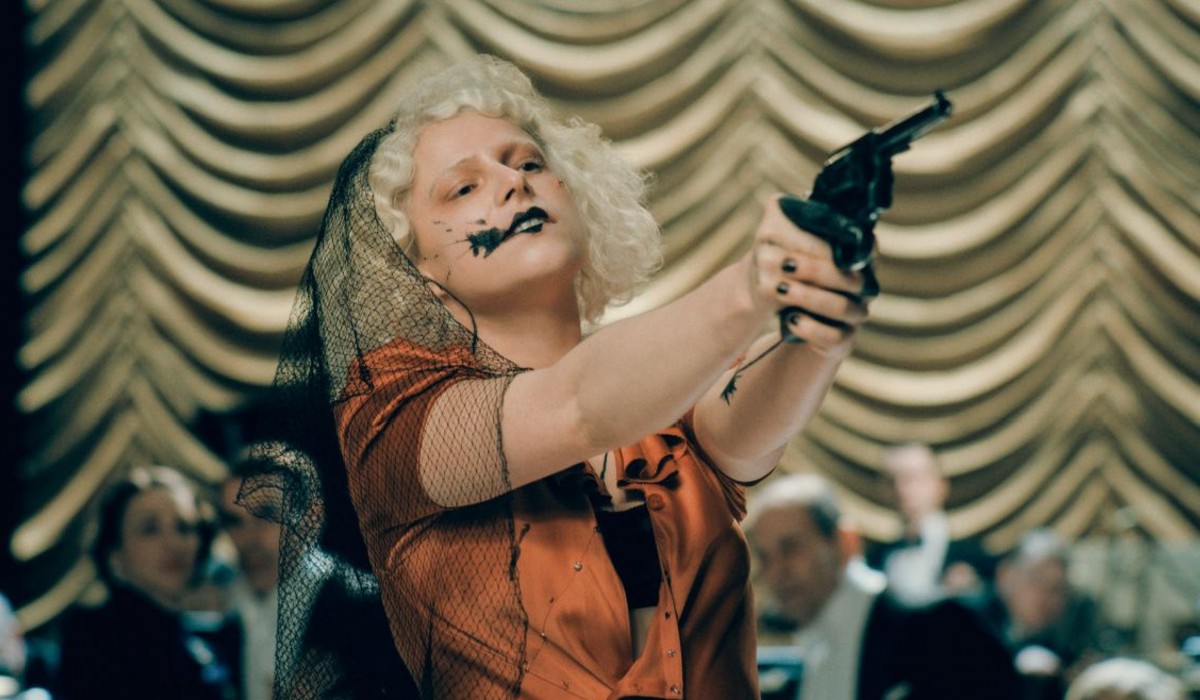
The Bride! is a reimagined version of the 1935 film The Bride of Frankenstein which replaces the scarcely seen bride in the original film with a powerful, passionate and formidable reinvigorated bride portrayed phenomenally by Jessie Buckley.
The film begins with the familiar story; a scientist brings back to life a dead woman to be a companion to the original monster, here called Frank. However, it delves into the Bonnie and Clyde-esque drama of the couple’s love and murderous rampage through the US.
The film starts with the ghost of Mary Shelley wanting to continue her story and choosing to do this through Ida, a 1930s Chicago sex worker who is providing intel on a Chicago mob to the police. Shelley appears to possess Ida before she is brutally thrown down a set of stairs to her death. You can guess what happens next. Ida is brought back to life by Frank (the monster), played by Christian Bale, assisted by scientist Dr Cornelia Euphronius (Annette Bening), to become Frank’s bride.
Whilst the story was clearly created to bring to life the character of the bride who has so-often been overlooked or forgotten, the entire premise of the woman being brought back to life, against her will, to be someone’s bride and taken advantage of during a time of vulnerability prevents it from being the feminist female-rage empowerment film it has been labelled.
Throughout the film, there are attempts by men to sexually assault Ida, with Frank saving her by murdering the men. Ida talks of a ‘brain attack’, a ‘cracking’ or explosion of repressed feelings inside women’s heads, and furiously speaks of a ‘brain-attack revolution’, a feminist army of women who will be heard beyond the grave. This fury leads her take up her own weapon to defend herself.
In Gyllenhaal’s The Bride!, a woman being a wanted criminal is portrayed as empowering, women’s rage as a rebellion against the natural order. There are other characters which add to this girl-power aesthetic such as a scientist and a detective who are both intelligent women but who have their work accredited to men.
Women throughout history have had their brilliant work credited to male counterparts, so this plot-point is apt. However, the female characters concerned were not well developed, which made the point somewhat tokenistic, as so often with tropes added for extra feminist points.
Despite these flaws, the cinematography was impressive as were the outstanding performances of Jessie Buckley (the Bride) and Christian Bale (Frank). The acting was raw, emotional and captivating. The film was overall entertaining within the gothic/horror style mixed with wacky elements such as frequent dance breaks, clearly attempting a Rocky Horror-type aesthetic.
The film was fast-paced and visually appealing but if you are looking for a movie about female empowerment during the period in which we celebrate International Women’s Day, I would look elsewhere.
From this month’s Counterfire freesheet
Before you go
The ongoing genocide in Gaza, Starmer’s austerity and the danger of a resurgent far right demonstrate the urgent need for socialist organisation and ideas. Counterfire has been central to the Palestine revolt and we are committed to building mass, united movements of resistance. Become a member today and join the fightback.
